
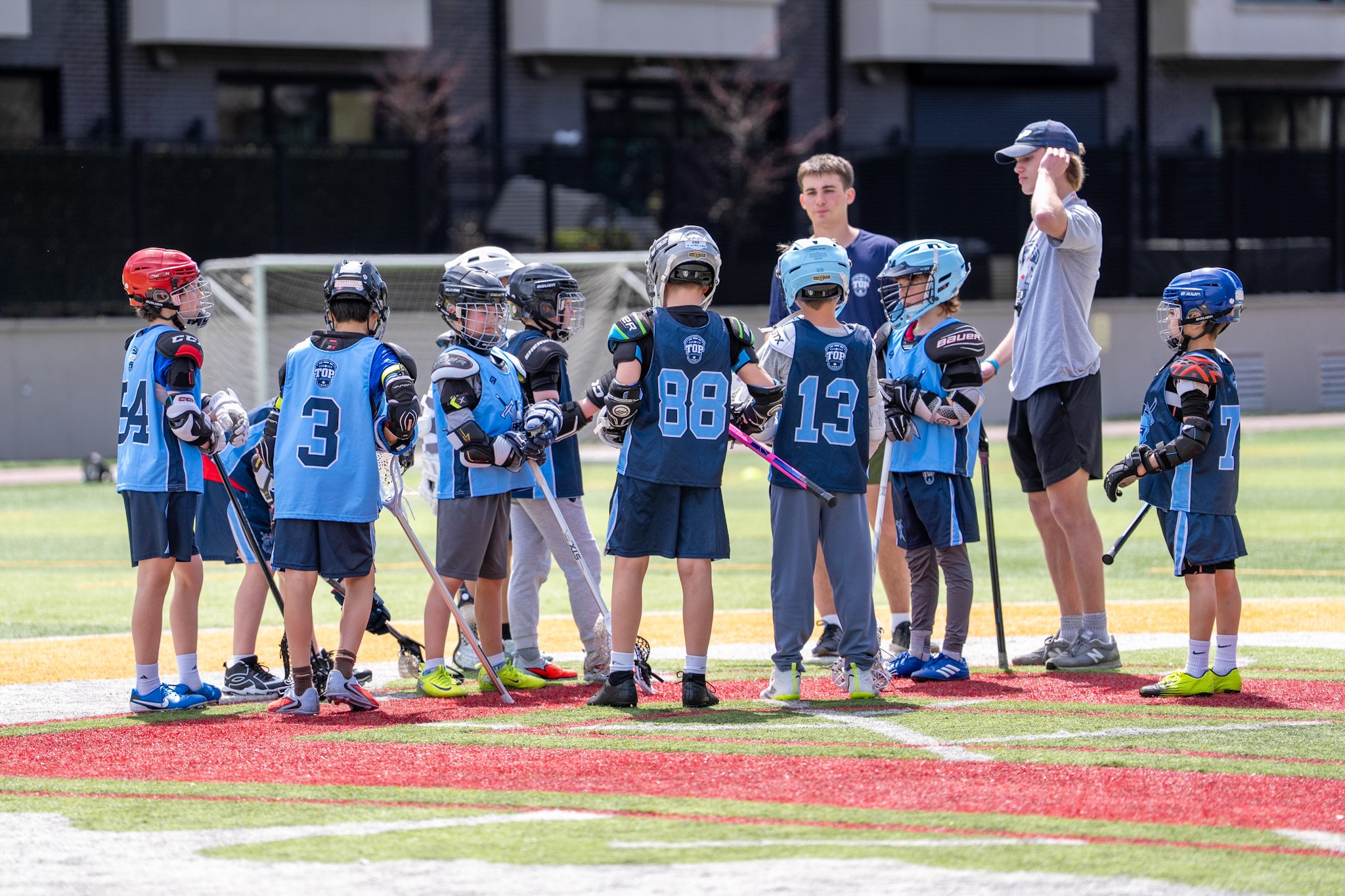
Our Philosophy
Three ideas guide everything we do: play more than one sport, build character on purpose, and coach the way kids actually learn
How We Think About Development
Three Pillars, One Approach
In recent years, the youth sports landscape has been defined by early specialization, hyper-competitiveness, and toxic environments. TOP Sports was founded to build something more balanced. What began in 2017 as a small passion project has grown into Ontario's only youth sports organization running competitive hockey, soccer, and lacrosse under one roof, engaging thousands of athletes a year across Toronto, Oakville, York Region, and Whitby.
Everything we build, from a season schedule down to what a coach says on the bench, comes back to three ideas: kids should be able to play more than one sport, character matters as much as the scoreboard, and coaching should match how kids actually learn. Explore each pillar below.
Pillar One
Multi-Sport Model
Seasons built to work together, not compete
Learn More ▾Pillar One
The Multi-Sport Model
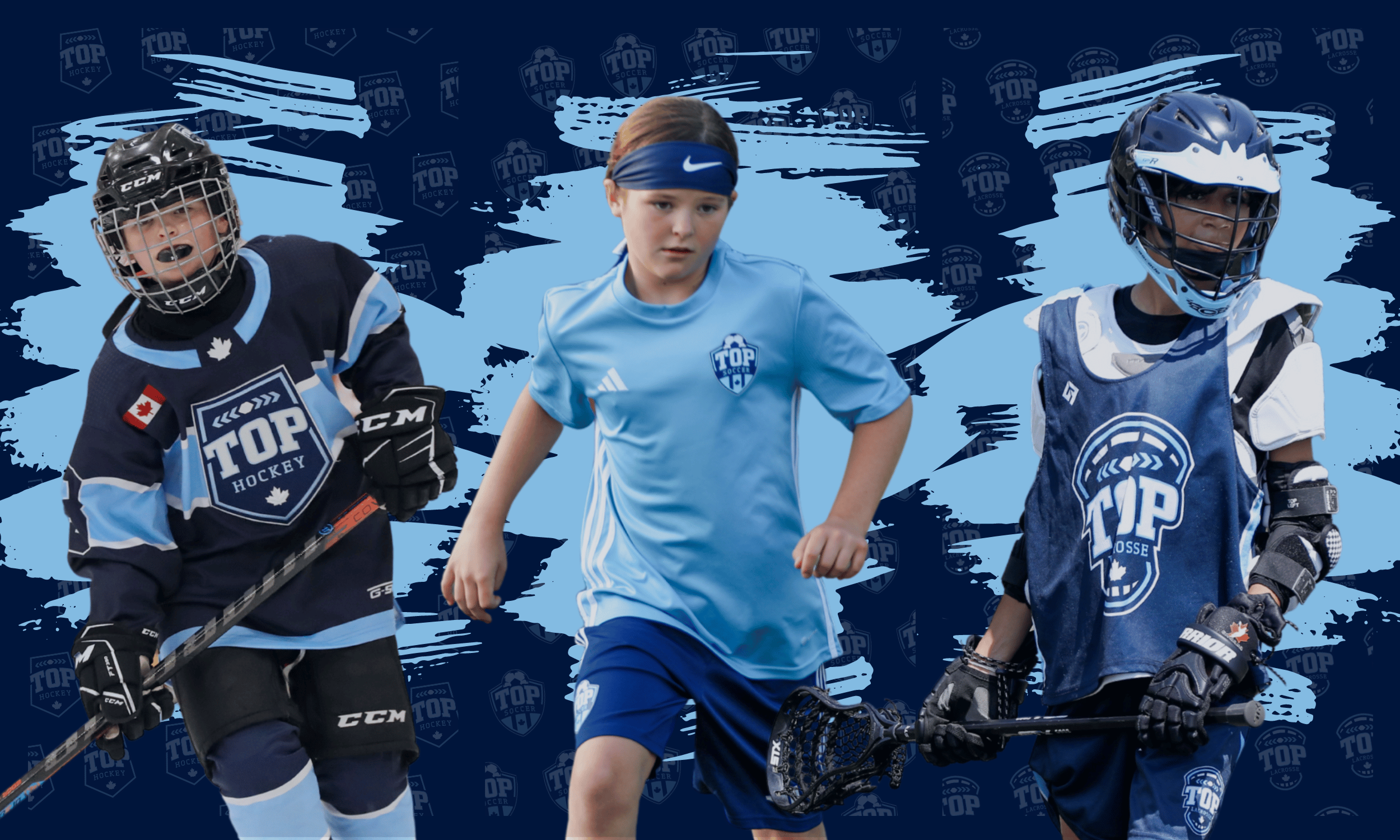
TOP Sports is the only organization in Ontario where your child can play competitive or recreational hockey, soccer, and lacrosse under one roof, with a schedule designed so the three sports never compete with each other. Most youth sports organizations force families to pick one sport, since overlapping schedules and year-round commitments make it nearly impossible to play more than one at a competitive level. We built our hockey, soccer, and lacrosse seasons to work together instead, so kids can play all three across a calendar year with minimal conflicts, and families get complete visibility into every commitment from the start of each season.
This isn't just scheduling for its own sake. Sport sampling across multiple activities builds broader athletic skills, exposes kids to different coaches and teammates, and lets them find the sport and role that actually fits them, all before a child is asked to specialize.
How We Support Multi-Sport Athletes
- Seasonal schedules with minimal conflicts: our hockey, soccer, and lacrosse seasons are designed to work together, not compete with each other.
- Complete visibility from day one: we provide the full season schedule before it begins, so you can plan without constant changes.
- Long-term development over early specialization: we prioritize building well-rounded athletes and fundamental skills that will serve them for years.
- Predictability wins: our consistent schedules leave room for family time and enjoying your weekends.
A landmark study led by Dr. Arne Güllich analyzed over 34,000 elite performers across sports, chess, music, and academics. The findings challenge everything we thought we knew: nearly 90% of adult superstars were not standout kids, and only about 10% of top youth performers ever became exceptional adults. Elite athletes tend to develop their dominance later, after years of multi-sport participation, not earlier through specialization.
The Research, Sport By Sport
Hockey (NHL)
played another sport ages 5-14.
NHL/NHLPA via USA HockeyNCAA Division I
played multiple sports growing up.
Swindell et al., 2019Lacrosse
of elite players were multi-sport athletes.
USA LacrosseSoccer (MLS)
played another sport before specializing.
Kapnick et al., 2020Football (NFL)
of Draft picks played multiple sports.
FootballScoopBasketball (NBA)
played multiple sports, with fewer major injuries.
Rugg et al., 2018Even the greatest of all time were multi-sport athletes. Early specializers like Tiger Woods are famous because they are the exception, not the rule.
Pillar Two
Character Building
Monthly themes and The Chain Award
Learn More ▾Pillar Two
Character Building Through Sport
We didn't start TOP Sports to only produce better hockey, soccer, or lacrosse players. We started it because we believe sport, when it's run the right way, is one of the best environments you can put a kid in to learn valuable life skills and develop strong character. The habits, values, and sense of accountability that come from being part of something bigger than yourself, learning to win and lose, learning to become a leader, learning to battle through failure, that is true success.
The conditions that sport creates, the pressure of competition, the friction of working alongside people you didn't choose, the experience of failing in front of others and having to show up again the next day, are almost impossible to replicate anywhere else in a child's life. These moments build character, highlighted by the environment we intentionally create to bring them out.
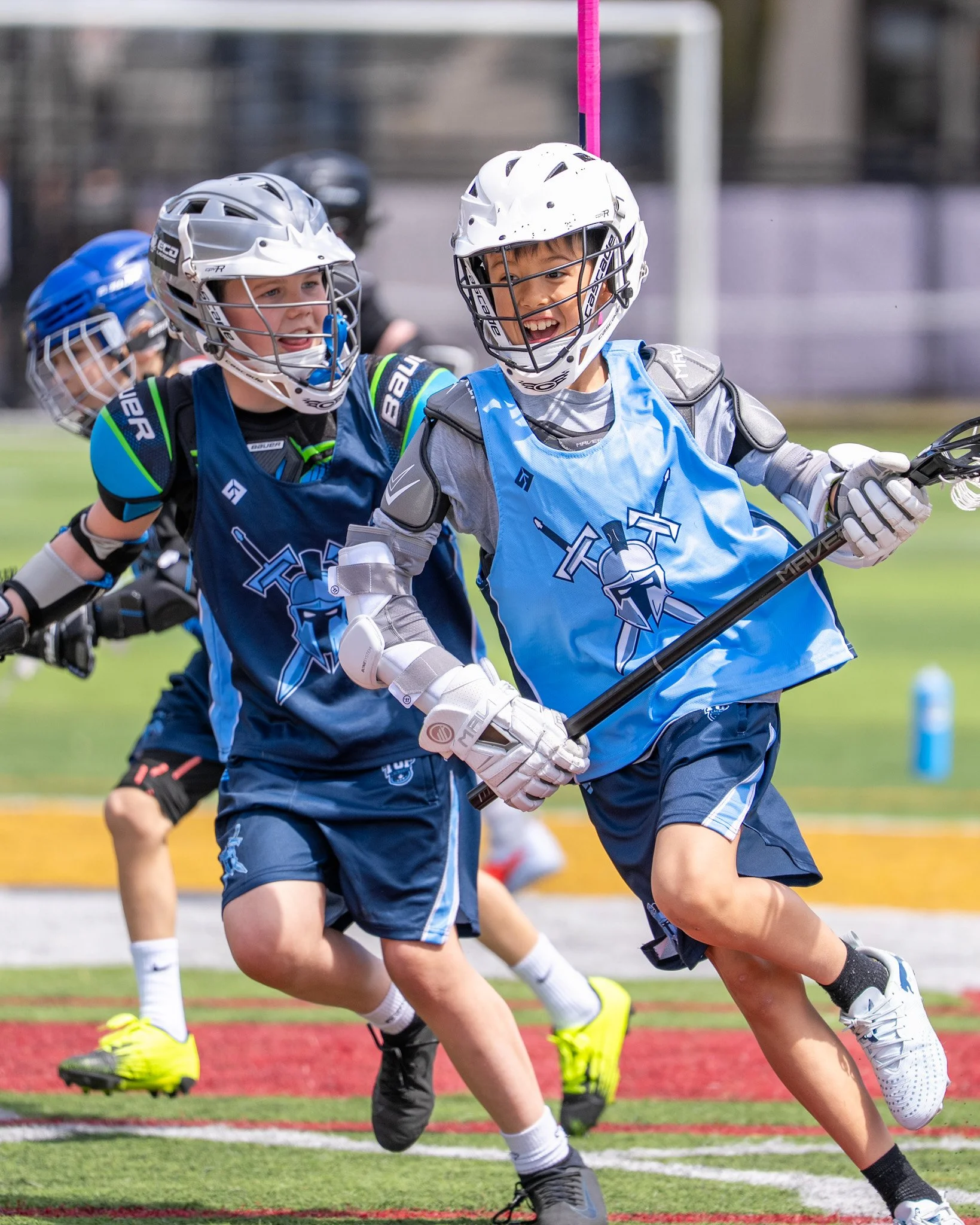
We intentionally weave character development into the fabric of our competitive programs through a Monthly Character Theme. Each month, every Head Coach across all our sports focuses on the same theme, whether that's grit, teamwork, work ethic, or leadership, and it shows up consistently in how coaches talk during practice, what they recognize after practice, and the one-on-one conversations they have with players throughout the season.
"Sport teaches you character, it teaches you to play by the rules, it teaches you to know what it feels like to win and lose. It teaches you about life."
Billie Jean King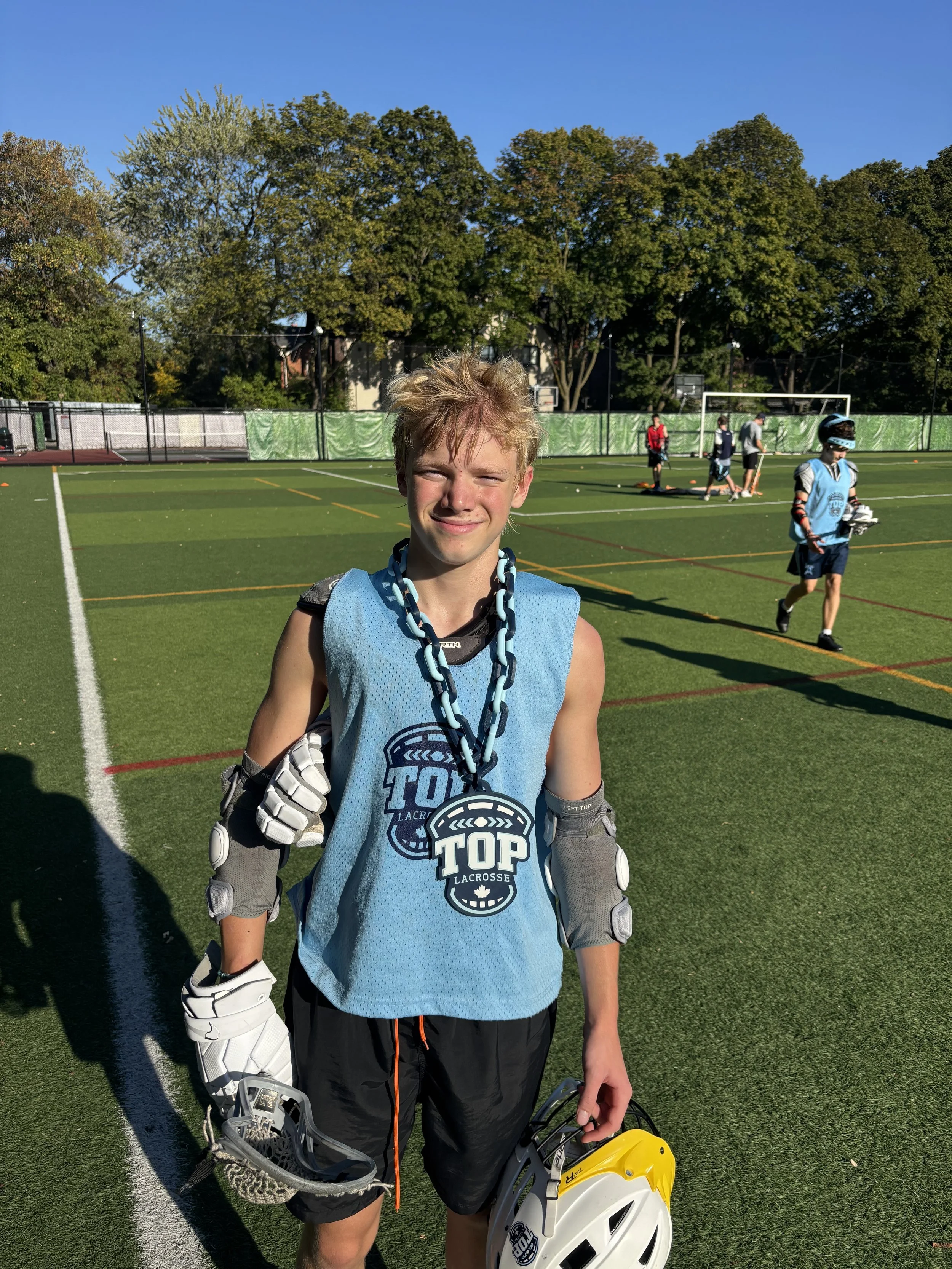
The Chain Award
In 2018, we introduced The Chain Award as a way to reward what we actually care about. After every practice, one player receives The Chain, a physical award handed out by the Head Coach along with a brief explanation of why the player earned it and how it connects to that month's theme. This isn't an MVP award. It never goes to whoever scored the most goals or performed best that day. It goes to the player who best demonstrated that month's value, regardless of skill level.
Why It Matters
The Chain goes home with the player and comes back the next practice. Of everything we've run since 2018, it's the one kids remember most, even years after they've graduated from the program and moved into their teens. They still remember what it meant to be recognized in front of their teammates.
Pillar Three
Play · Teach · Compete
Coaching built around how kids learn
Learn More ▾Pillar Three
The Play · Teach · Compete Model
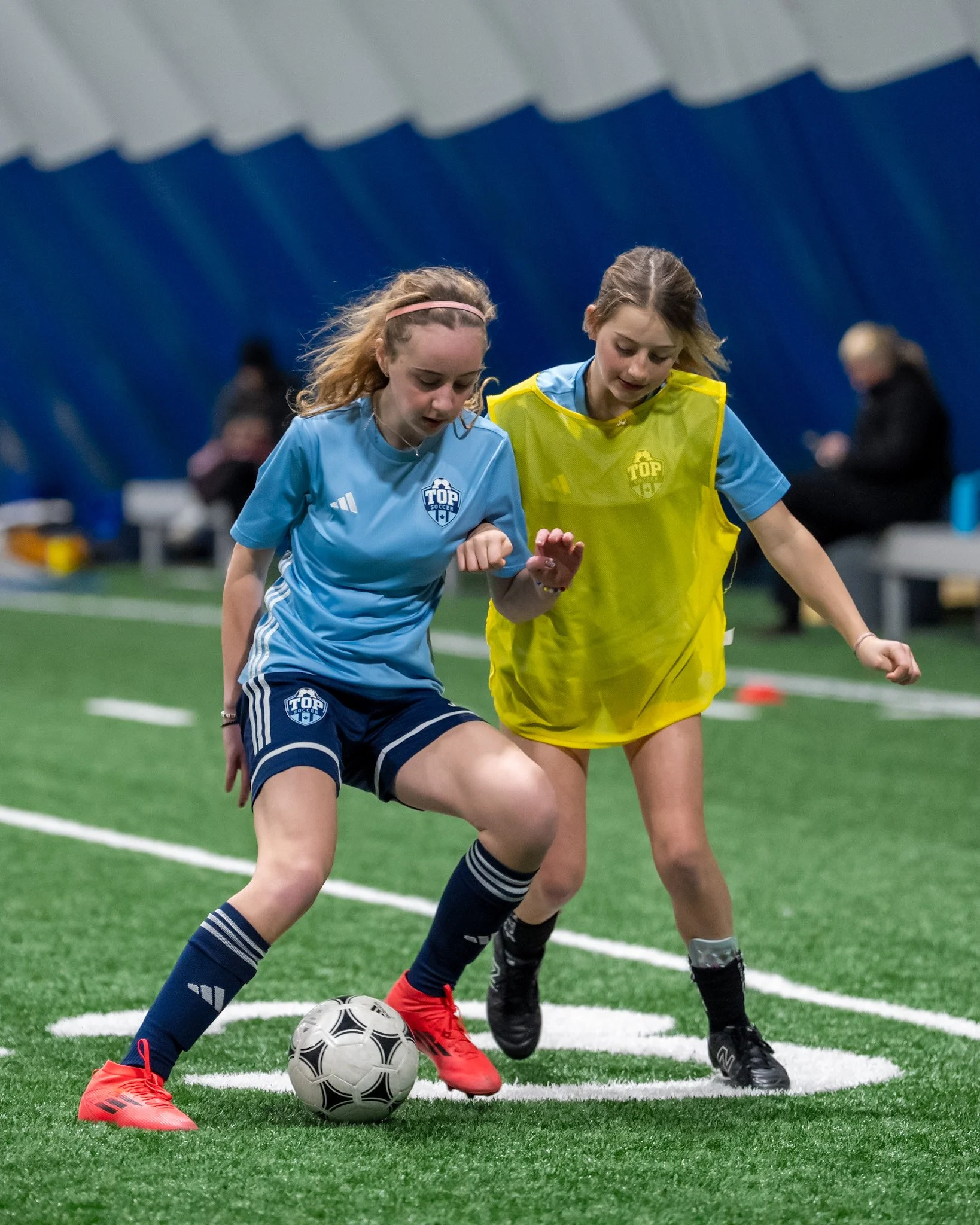
Hockey, soccer, and lacrosse are all invasion games: success comes from scanning, reading the play, and making fast decisions, not repeating an isolated technique in a static drill. That's why we built a coaching framework around game-based learning instead of lining kids up for drills with no pressure and no opponents. New skills are taught inside game-like situations, so they transfer straight to competition.
The Four Principles
- 1Game-Based Learning: activities mirror real competition, with coaches adding constraints to bring out the skills that matter in games.
- 2Innovative Session Design: high reps, constant movement, and repeated decision-making built into every session.
- 3Active Coaching: coaches are in the session, not on the sideline, demonstrating and moving with the kids.
- 4Purposeful Skill Development: focused technical work when it's needed, always tied back to a real game situation.
TOP Hockey
High-tempo, small-area games for max touches and decisions. Skating, shooting, and stickhandling tied back into live play.
TOP Soccer
Game-based activities build awareness and problem-solving. Constraints teach spacing, support, and speed of play.
TOP Lacrosse
Small-area and advantage games build stick skill under pressure. Catching and shooting always tied back to game context.
Research sources: The Economist (Jan 14, 2026) summary of Dr. Arne Güllich's research on 34,000+ elite performers · NHL/NHLPA via USA Hockey · Swindell et al., 2019 (PMC) · Kapnick et al., 2020 (PMC) · FootballScoop · Rugg et al., 2018 (PubMed).
Want to see the philosophy in action?
Explore our programs across hockey, soccer, and lacrosse, all built on these three pillars.